Designing for Adjectives, not Nouns is a unit that challenges students to invert the traditional design process. Instead of solving a functional problem (The Noun: "Design a chair"), they must solve an emotional one (The Adjective: "Design for Happiness").
The primary goal is to explore how form, texture, colour, and material evoke a visceral response in the user. By prioritising the 'gut reaction' over utility, students learn that a product's success is often defined not by how well it works, but by how it makes the user feel. This approach mirrors contemporary industrial design practices where brand language and emotional connection distinguish market leaders from generic competitors. It encourages students to break away from rigid, rectilinear engineering habits and embrace organic, expressive forms, effectively teaching them that aesthetics are a function in their own right.
Level: MYP 5
Time: 4 hours
Statement of Inquiry: Designing for the communication and relationship of a product can change the perception, use and identity
Global Context: Identities and relationships
Concepts: Communication (Key) and change (related)
ATL’s: Critical thinking and creative thinking
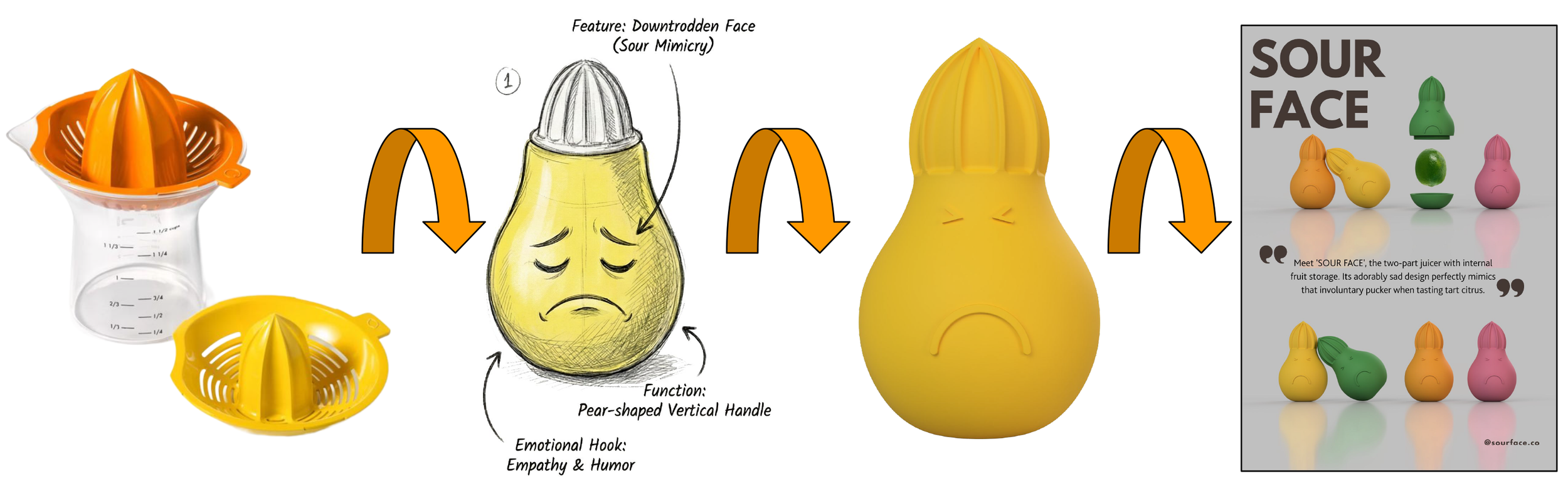
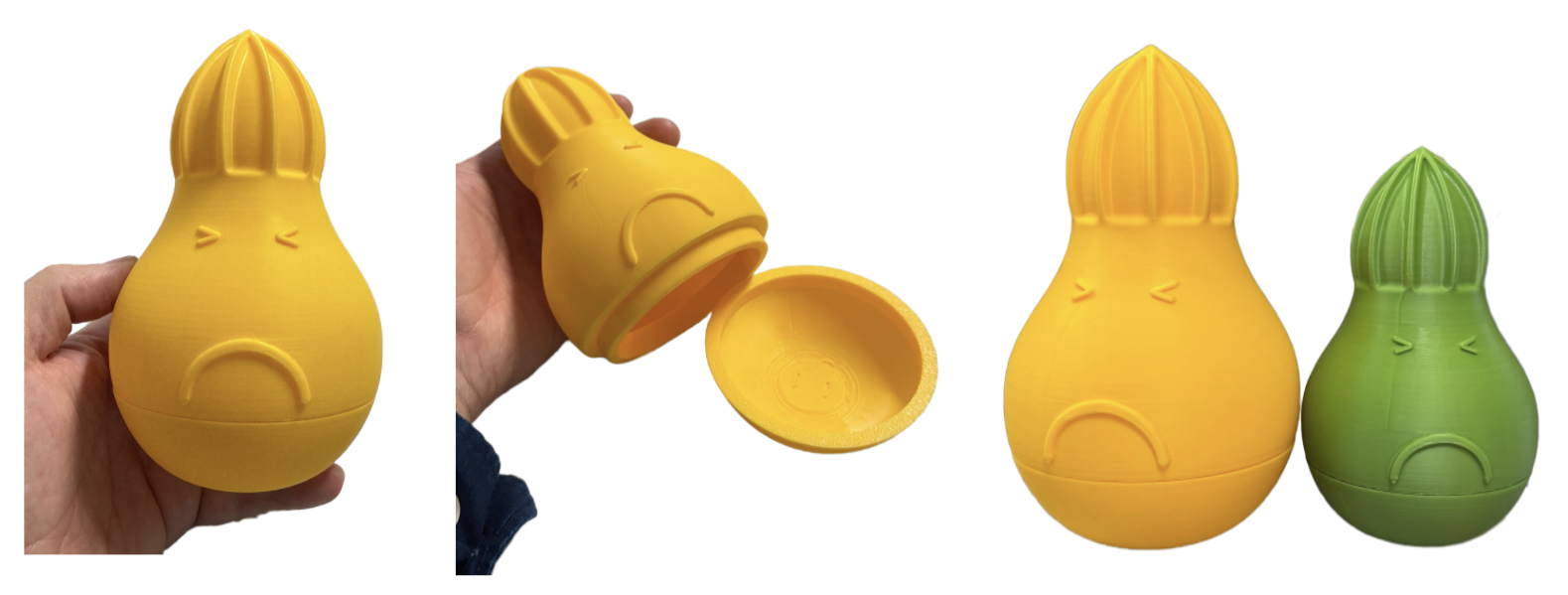
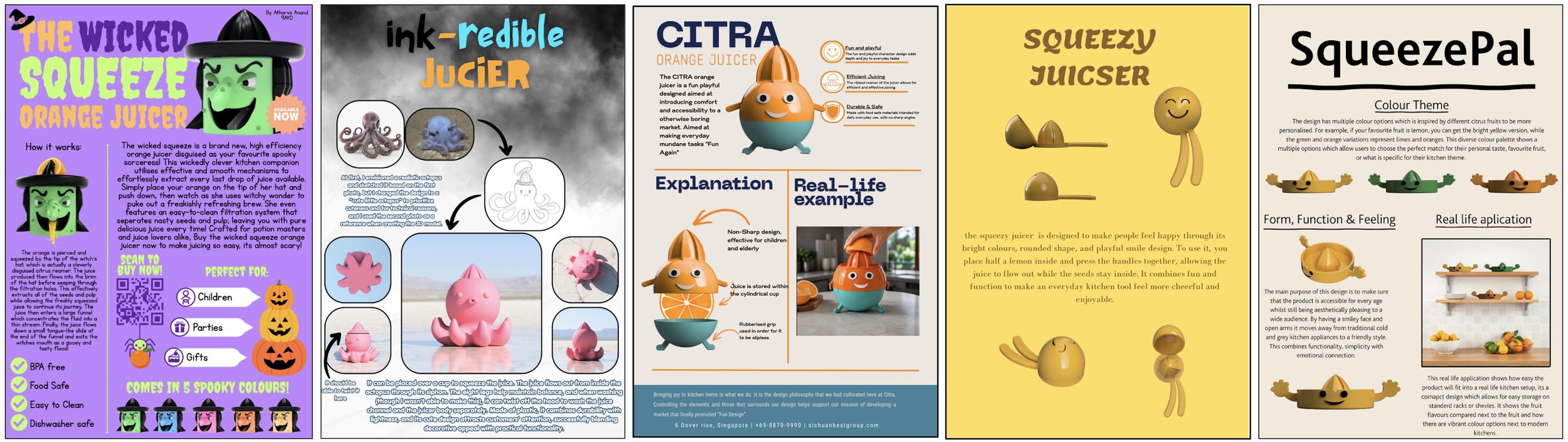
Example outcome.
SUGGESTED READING
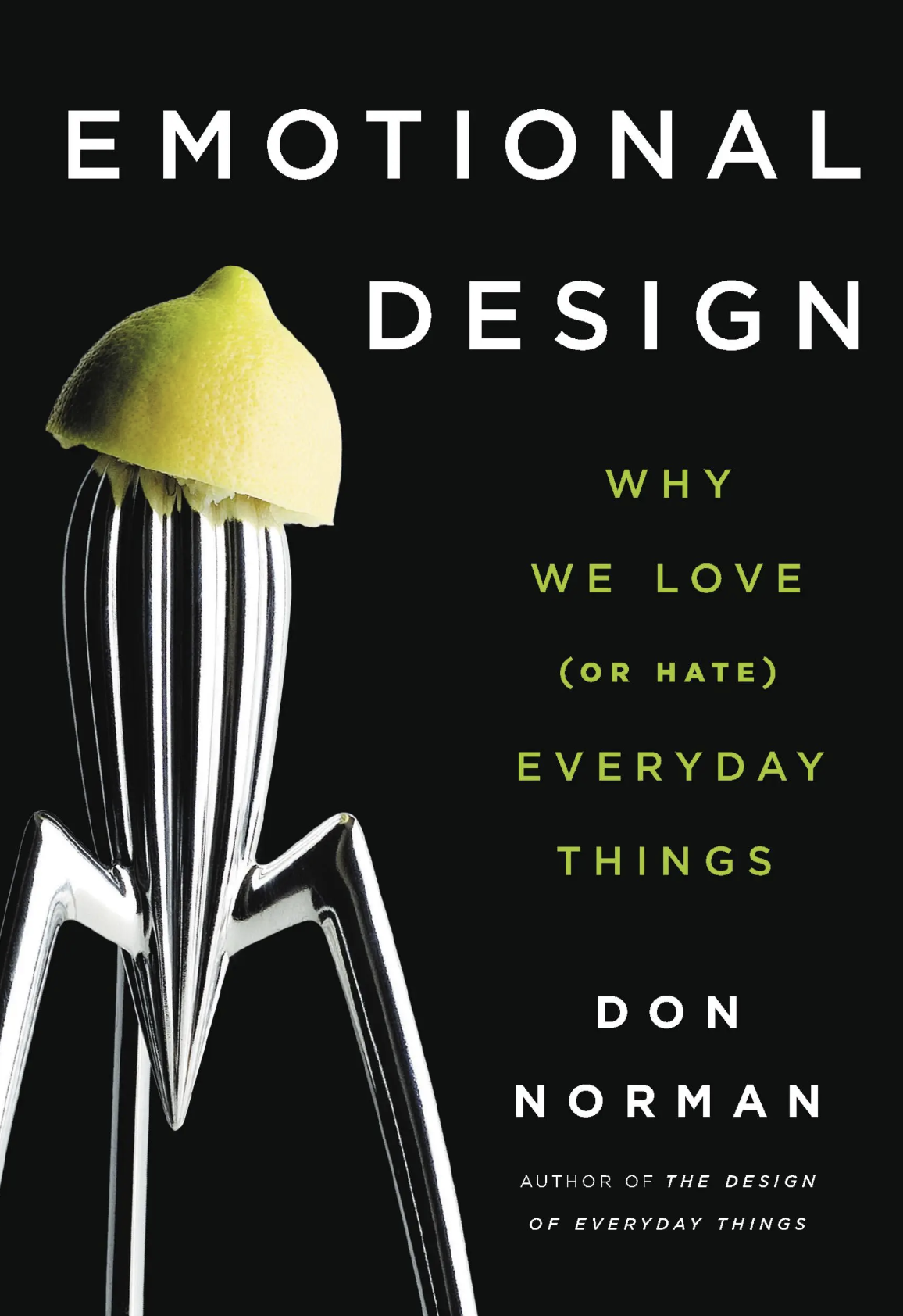
Emotional Design: Why We Love (or Hate) Everyday Things This is the primary driver for the "Adjective" part of this project. It argues that attractive things actually work better because they produce positive emotions.